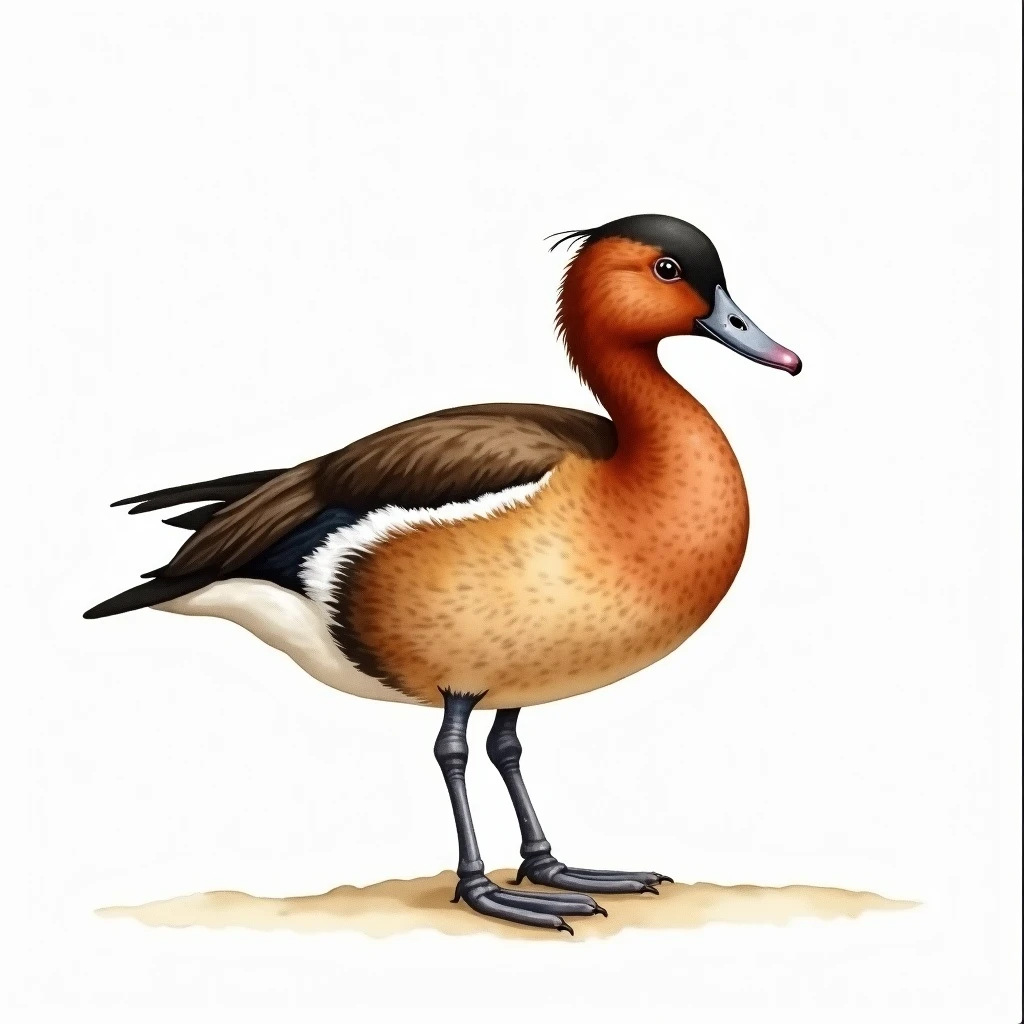
Australian Shelduck
Tadorna tadornoides
Embed This Widget
Add the script tag and a data attribute to embed this widget.
<script src="https://cdn.jsdelivr.net/npm/birdfyi-embed@1/dist/embed.min.js" defer></script>
<div data-birdfyi="bird" data-slug="tadorna-tadornoides"></div>Embed via iframe for maximum compatibility.
<iframe src="https://birdfyi.com/iframe/bird/tadorna-tadornoides/" width="420" height="400" frameborder="0" style="border:0;border-radius:10px;max-width:100%" loading="lazy"></iframe>Paste this URL in WordPress, Medium, or any oEmbed-compatible platform.
https://birdfyi.com/bird/tadorna-tadornoides/Add a dynamic SVG badge to your README or docs.
[](https://birdfyi.com/bird/tadorna-tadornoides/)Use the native HTML custom element.
<script src="https://cdn.jsdelivr.net/npm/birdfyi-embed@1/dist/embed.min.js" defer></script>
<birdfyi-bird slug="tadorna-tadornoides"></birdfyi-bird>The Australian Shelduck (Tadorna tadornoides) is a bird species in the family Anatidae (patos, gansos y cisnes), within the order Anseriformes (aves acuáticas). Recorded measurements include a wingspan of 70.7 cm and a weight of 1.4 kg. The IUCN Red List classifies it as Least Concern.
On this page
Acerca de
El tarro australiano es un grande pato de Australia con la cabeza de color negro verdoso en el macho y el ojo y la base del pico blancos en la hembra. El cuerpo es de color castaño rojizo con marcas alares blancas y negras. Habita en humedales abiertos, lagos y embalses en el sur de Australia, incluyendo Tasmania. Pasta hierba como los gansos, alejándose frecuentemente del agua.
Physical Description
| Measurement | Value | Imperial |
|---|---|---|
| Envergadura | 70,7 cm | 27.8 in |
| Peso | 1424,5 g | 50.25 oz |
Identificación
Plumaje
Males dark chestnut with black head showing green gloss; white neck collar. White inner wing with iridescent green speculum. Females have white eye-ring and white facial area. Chestnut breast; black bill.
Habitat & Range
Inland salt lakes, ephemeral lakes, estuaries, coastal bays, and agricultural dams in southern Australia from Queensland west to Western Australia. Nests in burrows, hollow logs, and tree cavities.
Distribución geográfica
Breeds across the Palearctic from Iceland and western Europe east to Siberia; winters in Africa, South Asia, and Southeast Asia.
Diet & Feeding
Dabbles for aquatic invertebrates, seeds, and plant material in spring; forages in shallow ponds; diet shifts outside breeding season.
Estado de conservación
Comportamiento y reproducción
Nidificación
Incubation: 30-33 days. Fledging: 50-70 days.
Tamaño de la puesta
5-19
Sonido
Canto
Male gives a whistling 'zzzeet'; female gives a loud, deep cackling 'uk-uk-uk'. Loud, far-carrying calls from Australian wetlands. Considered one of the noisier shelducks.
Taxonomía
| Kingdom | Animalia |
| Phylum | Chordata |
| Class | Aves |
| Orden | Anseriformes (Aves Acuáticas) |
| Familia | Anatidae (Patos, Gansos y Cisnes) |
| Genus | Tadorna |
| Especies | Tadorna tadornoides |
Distribution
Australian Shelduck has been recorded in 7 countries.
countries highlighted
External Databases
Preguntas frecuentes
What does the Australian Shelduck eat?
Where does the Australian Shelduck live?
Is the Australian Shelduck endangered?
How does the Australian Shelduck nest?
What does the Australian Shelduck sound like?
How big is the Australian Shelduck?
What order and family does the Australian Shelduck belong to?
Similar Birds
Other species in the Anatidae family