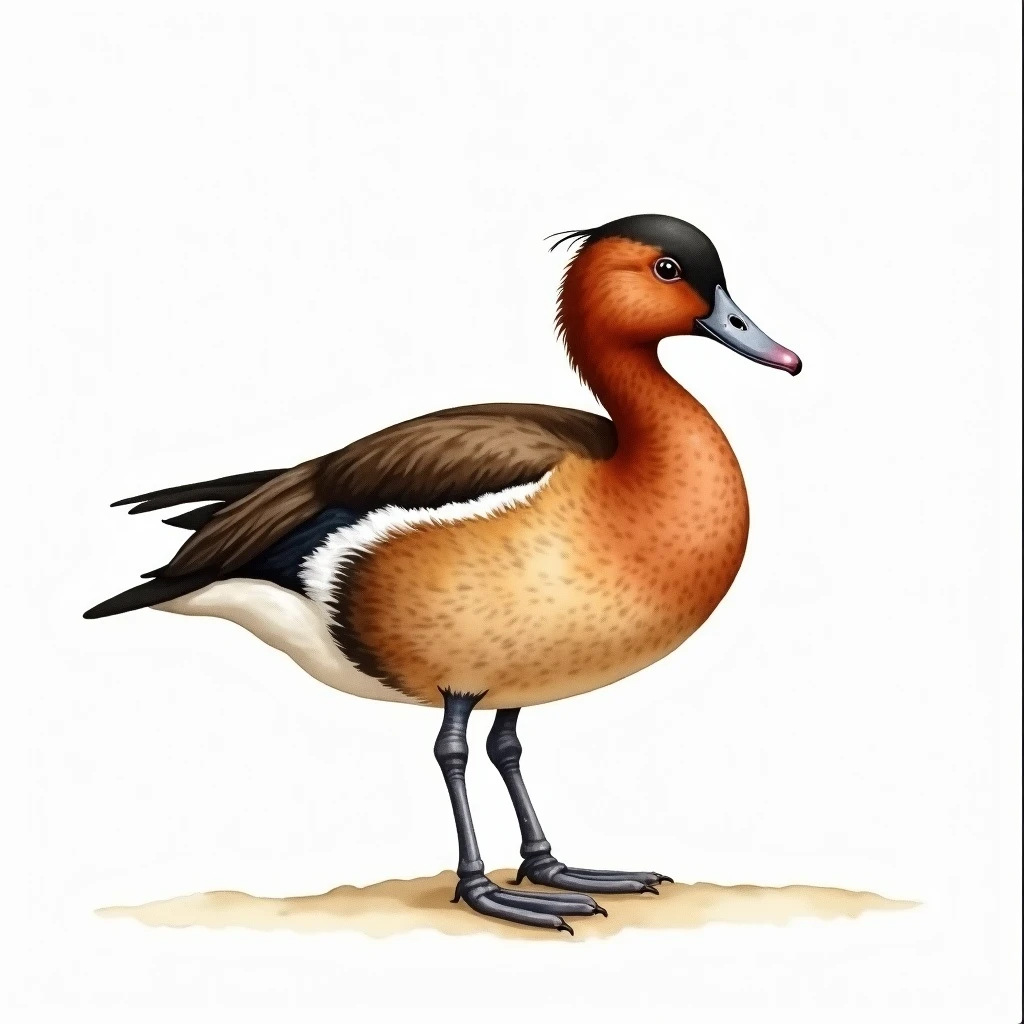
Australian Shelduck
Tadorna tadornoides
Embed This Widget
Add the script tag and a data attribute to embed this widget.
<script src="https://cdn.jsdelivr.net/npm/birdfyi-embed@1/dist/embed.min.js" defer></script>
<div data-birdfyi="bird" data-slug="tadorna-tadornoides"></div>Embed via iframe for maximum compatibility.
<iframe src="https://birdfyi.com/iframe/bird/tadorna-tadornoides/" width="420" height="400" frameborder="0" style="border:0;border-radius:10px;max-width:100%" loading="lazy"></iframe>Paste this URL in WordPress, Medium, or any oEmbed-compatible platform.
https://birdfyi.com/bird/tadorna-tadornoides/Add a dynamic SVG badge to your README or docs.
[](https://birdfyi.com/bird/tadorna-tadornoides/)Use the native HTML custom element.
<script src="https://cdn.jsdelivr.net/npm/birdfyi-embed@1/dist/embed.min.js" defer></script>
<birdfyi-bird slug="tadorna-tadornoides"></birdfyi-bird>About
A large shelduck with a dark bottle-green head, chestnut breast band in females, and dark body with white wing coverts. Common in southern Australia. One of Australia's largest ducks. Gregarious and conspicuous; forms flocks on inland salt lakes and coastal bays.
Physical Description
| Measurement | Value | Imperial |
|---|---|---|
| Wingspan | 70.7 cm | 27.8 in |
| Weight | 1424.5 g | 50.25 oz |
Identification
Plumage
Males dark chestnut with black head showing green gloss; white neck collar. White inner wing with iridescent green speculum. Females have white eye-ring and white facial area. Chestnut breast; black bill.
Habitat & Range
Inland salt lakes, ephemeral lakes, estuaries, coastal bays, and agricultural dams in southern Australia from Queensland west to Western Australia. Nests in burrows, hollow logs, and tree cavities.
Geographic Range
Breeds across the Palearctic from Iceland and western Europe east to Siberia; winters in Africa, South Asia, and Southeast Asia.
Diet & Feeding
Dabbles for aquatic invertebrates, seeds, and plant material in spring; forages in shallow ponds; diet shifts outside breeding season.
Conservation Status
Behavior & Breeding
Nesting
Incubation: 30-33 days. Fledging: 50-70 days.
Clutch Size
5-19
Sound
Song
Male gives a whistling 'zzzeet'; female gives a loud, deep cackling 'uk-uk-uk'. Loud, far-carrying calls from Australian wetlands. Considered one of the noisier shelducks.
Taxonomy
| Kingdom | Animalia |
| Phylum | Chordata |
| Class | Aves |
| Order | Anseriformes (Waterfowl) |
| Family | Anatidae (Ducks, Geese & Swans) |
| Genus | Tadorna |
| Species | Tadorna tadornoides |
Distribution
Australian Shelduck has been recorded in 7 countries.
{# Distribution Map — simplified SVG world map with highlighted countries. Expects `country_codes` variable: list of ISO alpha-2 codes (e.g. ["US", "CA", "MX"]). Uses Alpine.js to toggle classes on country paths. #}countries highlighted
External Databases
Frequently Asked Questions
What does the Australian Shelduck eat?
Where does the Australian Shelduck live?
Is the Australian Shelduck endangered?
How does the Australian Shelduck nest?
What does the Australian Shelduck sound like?
How big is the Australian Shelduck?
What order and family does the Australian Shelduck belong to?
Similar Birds
Other species in the Anatidae family