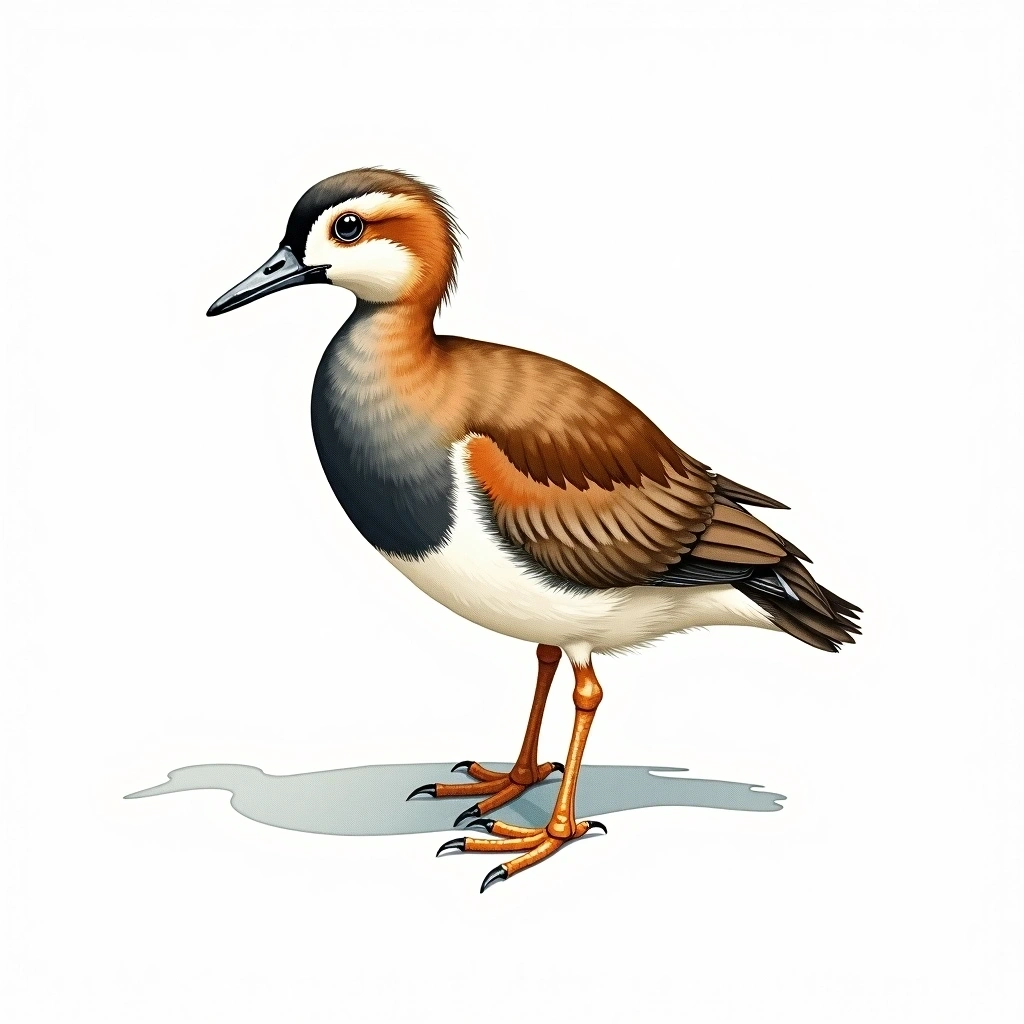
African Pygmy-goose
Nettapus auritus
Embed This Widget
Add the script tag and a data attribute to embed this widget.
<script src="https://cdn.jsdelivr.net/npm/birdfyi-embed@1/dist/embed.min.js" defer></script>
<div data-birdfyi="bird" data-slug="nettapus-auritus"></div>Embed via iframe for maximum compatibility.
<iframe src="https://birdfyi.com/iframe/bird/nettapus-auritus/" width="420" height="400" frameborder="0" style="border:0;border-radius:10px;max-width:100%" loading="lazy"></iframe>Paste this URL in WordPress, Medium, or any oEmbed-compatible platform.
https://birdfyi.com/bird/nettapus-auritus/Add a dynamic SVG badge to your README or docs.
[](https://birdfyi.com/bird/nettapus-auritus/)Use the native HTML custom element.
<script src="https://cdn.jsdelivr.net/npm/birdfyi-embed@1/dist/embed.min.js" defer></script>
<birdfyi-bird slug="nettapus-auritus"></birdfyi-bird>The African Pygmy-goose (Nettapus auritus) is a bird species in the family Anatidae (ducks, geese & swans), within the order Anseriformes (waterfowl). Recorded measurements include a wingspan of 29.9 cm and a weight of 272.5 g. The IUCN Red List classifies it as Least Concern.
On this page
About
A tiny jewel-like duck—one of Africa's smallest waterfowl. Males have iridescent green-and-white plumage, an orange bill, and a dark green cap; females are mottled brown. Found on lily-covered lakes in sub-Saharan Africa. Perches on water lily pads and feeds on their seeds and flowers.
Physical Description
| Measurement | Value | Imperial |
|---|---|---|
| Wingspan | 29.9 cm | 11.8 in |
| Weight | 272.5 g | 9.61 oz |
Identification
Plumage
Tiny. Males have glossy dark green head with orange facial patch and ear spot; chestnut-orange flanks; white underparts; black and green back. Females duller with dark eye-stripe. Small yellow-green bill.
Habitat & Range
Freshwater lakes, ponds, and rivers with floating water lilies and other aquatic vegetation across sub-Saharan Africa from Senegal to Tanzania. Nests in tree cavities near water. Highly dependent on water lily vegetation.
Geographic Range
Breeds across temperate to sub-Arctic Eurasia; winters in Africa, South Asia, and Southeast Asia.
Diet & Feeding
Filter-feeds on invertebrates and seeds; dabbles in shallow ponds; diet more plant-based outside spring breeding period.
Conservation Status
Behavior & Breeding
Nesting
Incubation: 21-28 days. Fledging: 38-60 days.
Clutch Size
6-12
Sound
Song
Male produces a soft, wheezy whistle; female gives a quiet, duck-like quack. Pairs exchange rapid twittering notes during courtship on lily-covered African pools.
Taxonomy
| Kingdom | Animalia |
| Phylum | Chordata |
| Class | Aves |
| Order | Anseriformes (Waterfowl) |
| Family | Anatidae (Ducks, Geese & Swans) |
| Genus | Nettapus |
| Species | Nettapus auritus |
Distribution
African Pygmy-goose has been recorded in 5 countries.
countries highlighted
External Databases
Frequently Asked Questions
What does the African Pygmy-goose eat?
Where does the African Pygmy-goose live?
Is the African Pygmy-goose endangered?
How does the African Pygmy-goose nest?
What does the African Pygmy-goose sound like?
How big is the African Pygmy-goose?
What order and family does the African Pygmy-goose belong to?
Similar Birds
Other species in the Anatidae family