Rarest Birds in the World
25 birds · 10–80 cm wingspan · 0.0–2.6 kg
Some of the rarest birds survive only in tiny island populations or fragmented forest patches. The Spix’s Macaw is extinct in the wild; the California Condor was down to just 27 individuals before captive breeding programs began. Every species on this list represents a conservation emergency — and in many cases, an active recovery effort.
This ranking prioritizes birds by conservation severity (CR first, then EN, then VU) and within each category sorts by estimated population size, highlighting those closest to the brink.
How we ranked these
Ranked by IUCN conservation status priority (CR > EN > VU), then by estimated population size (ascending). Only birds with population estimates and threatened status are included.
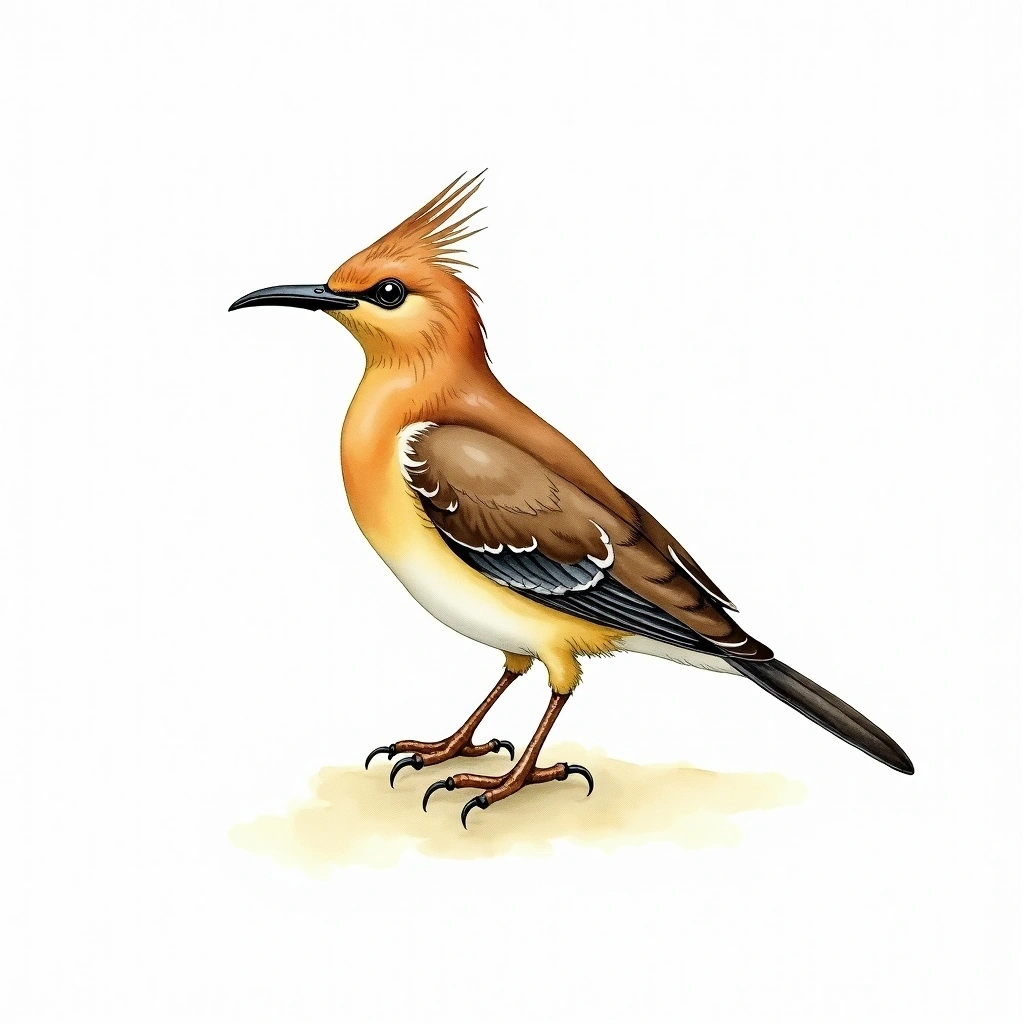
Finches · Critically Endangered
The Akekee is a critically endangered Hawaiian honeycreeper weighing about 11 g with a wingspan near 12 cm. Endemic to the upland forests of Kauai, it uses its uniquely twisted bill to pry open leaf b
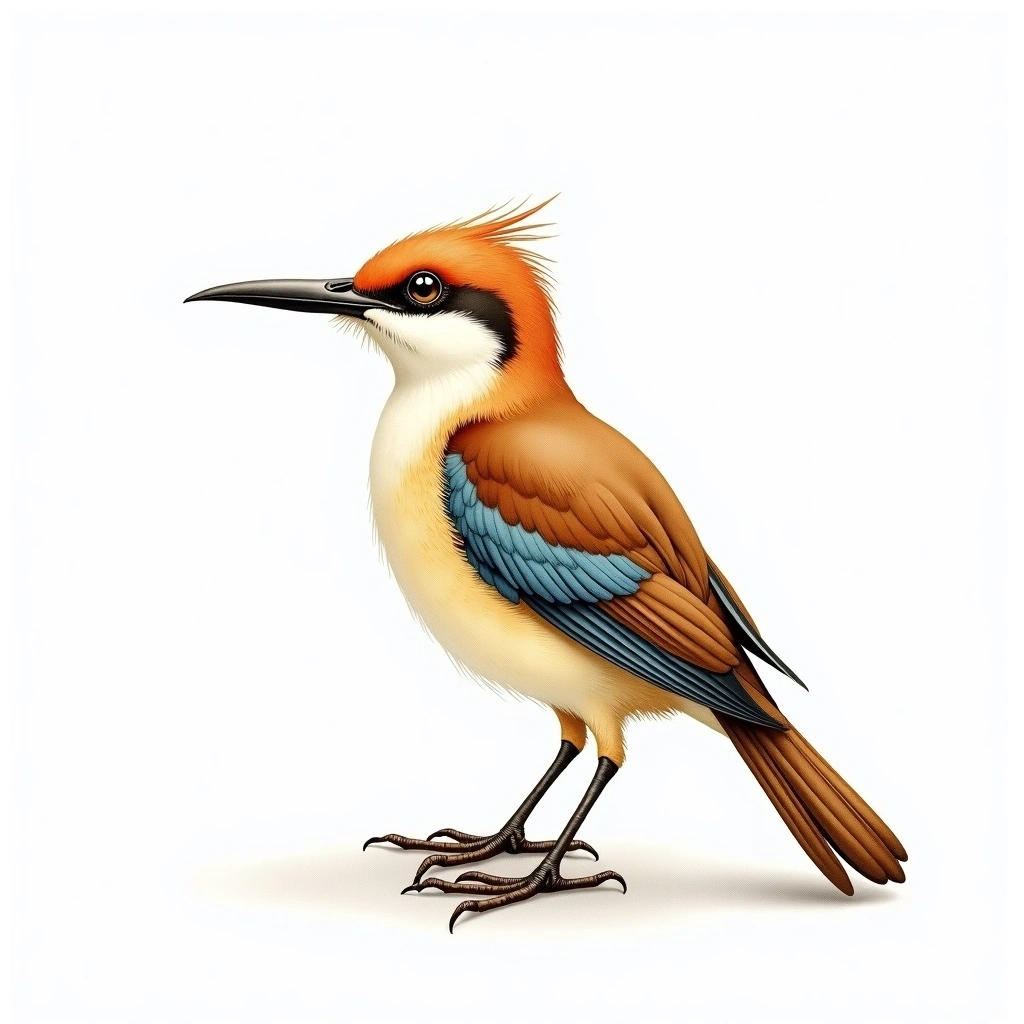
Finches · Critically Endangered
The Akikiki is a critically endangered Hawaiian creeper weighing about 14 g with a wingspan near 13 cm. Endemic to the forests of Kauai, it creeps along tree trunks and branches searching for insects,
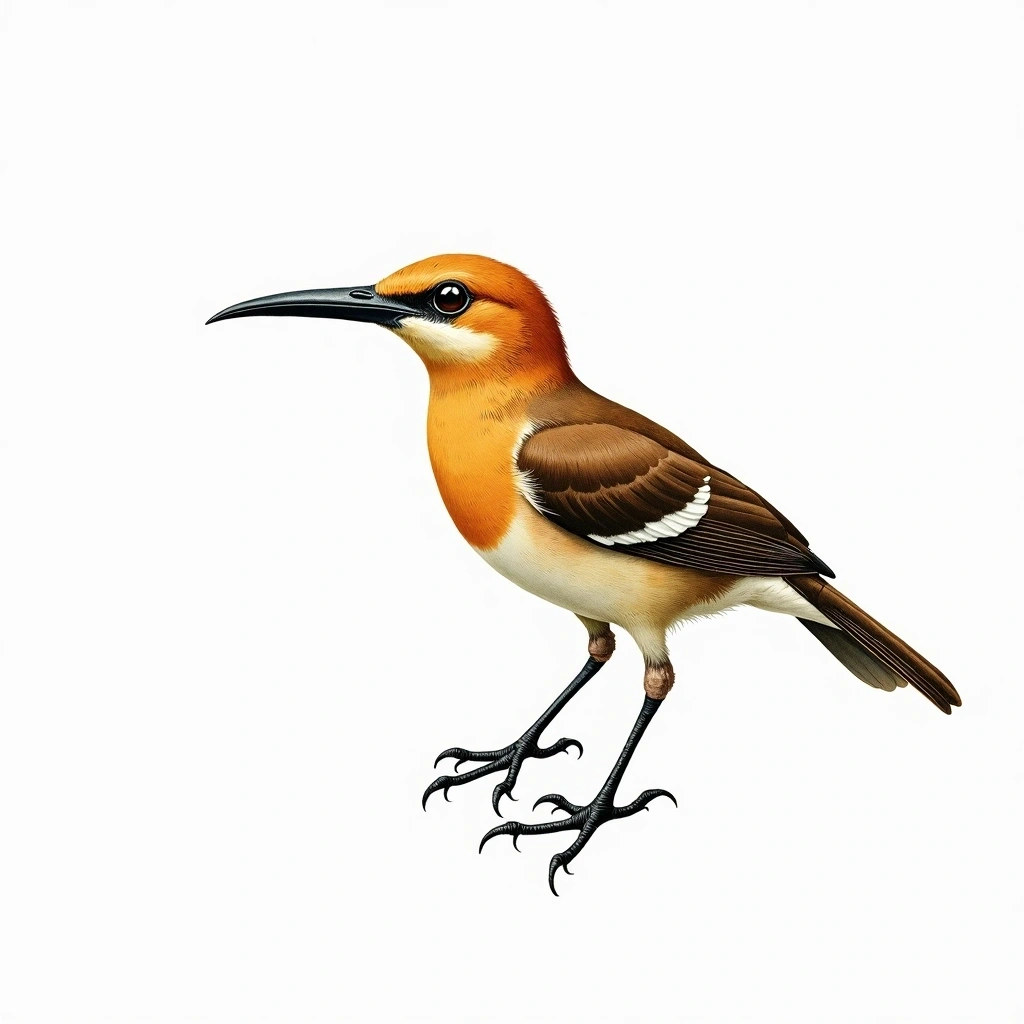
Finches · Critically Endangered
The Akohekohe, or Crested Honeycreeper, is a critically endangered Hawaiian bird weighing about 27 g with a wingspan near 18 cm. Endemic to the windward slopes of Haleakala on Maui, it is recognised b
-
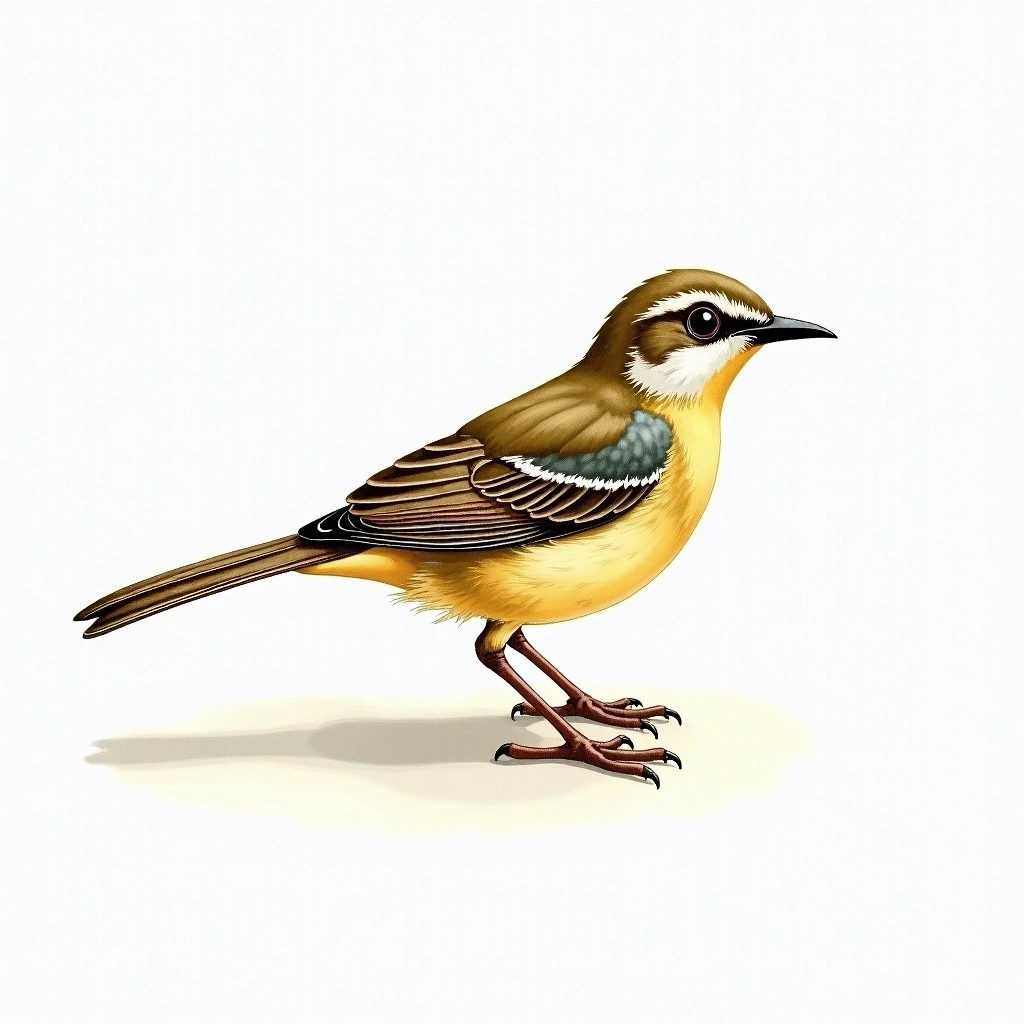
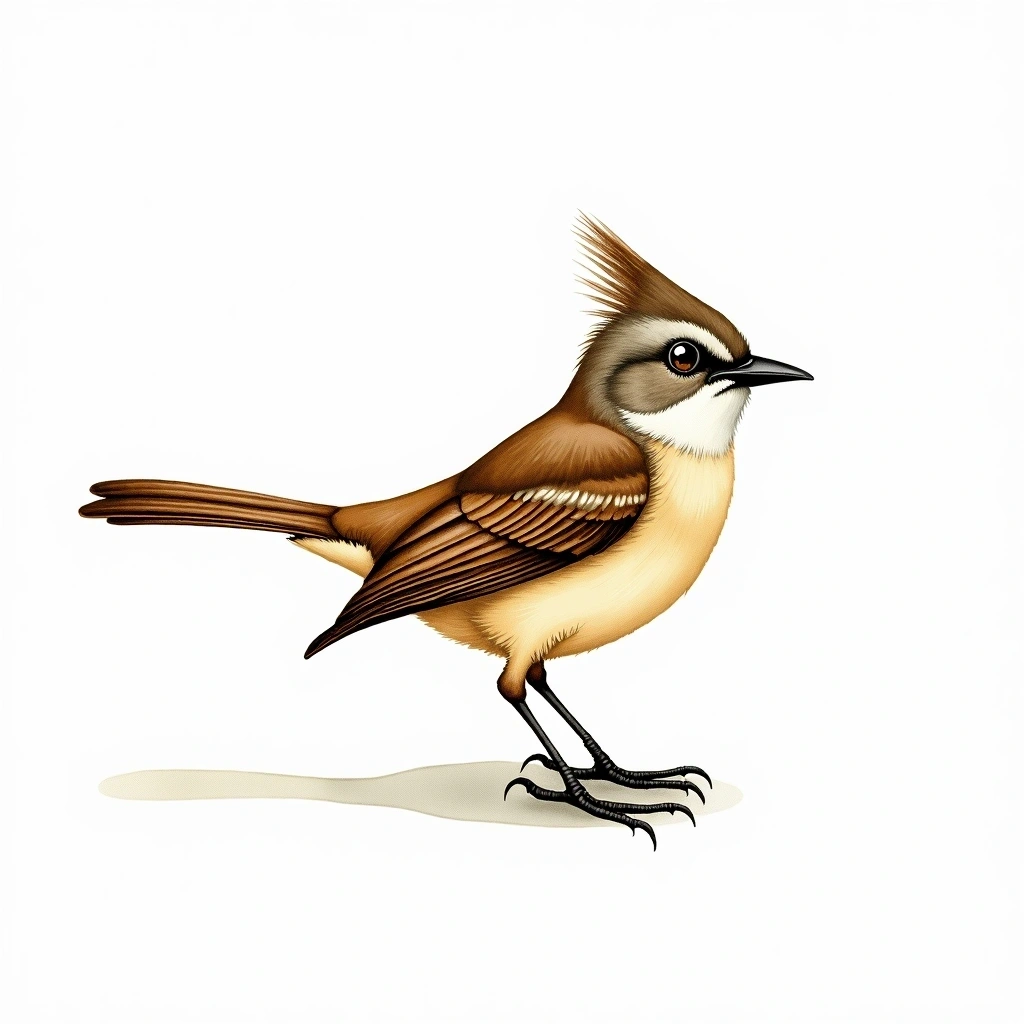 Alagoas Antwren
Thamnophilidae · Critically Endangered
The Alagoas Antwren is a critically endangered antbird of northeastern Brazil, weighing about 10 g with a wingspan near 10 cm. It is restricted to very small forest fragments in Alagoas state and face
10 cm 10 g Critically EndangeredSee details → -
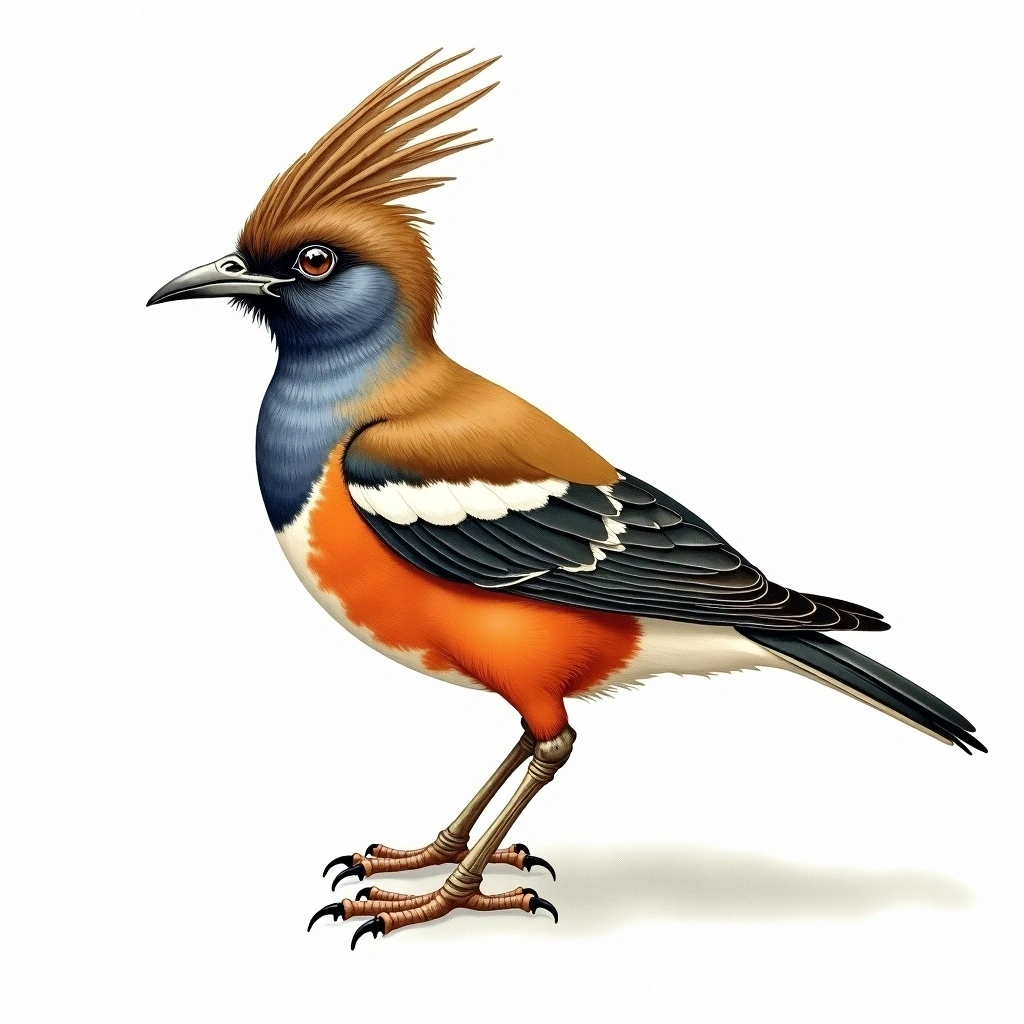
 Alagoas Tyrannulet
Tyrant Flycatchers · Critically Endangered
The Alagoas Tyrannulet is a critically endangered small flycatcher weighing about 8 g with a wingspan near 11 cm. It is known from only a handful of forest fragments in Alagoas and Pernambuco states o
10 cm 8 g Critically EndangeredSee details → -
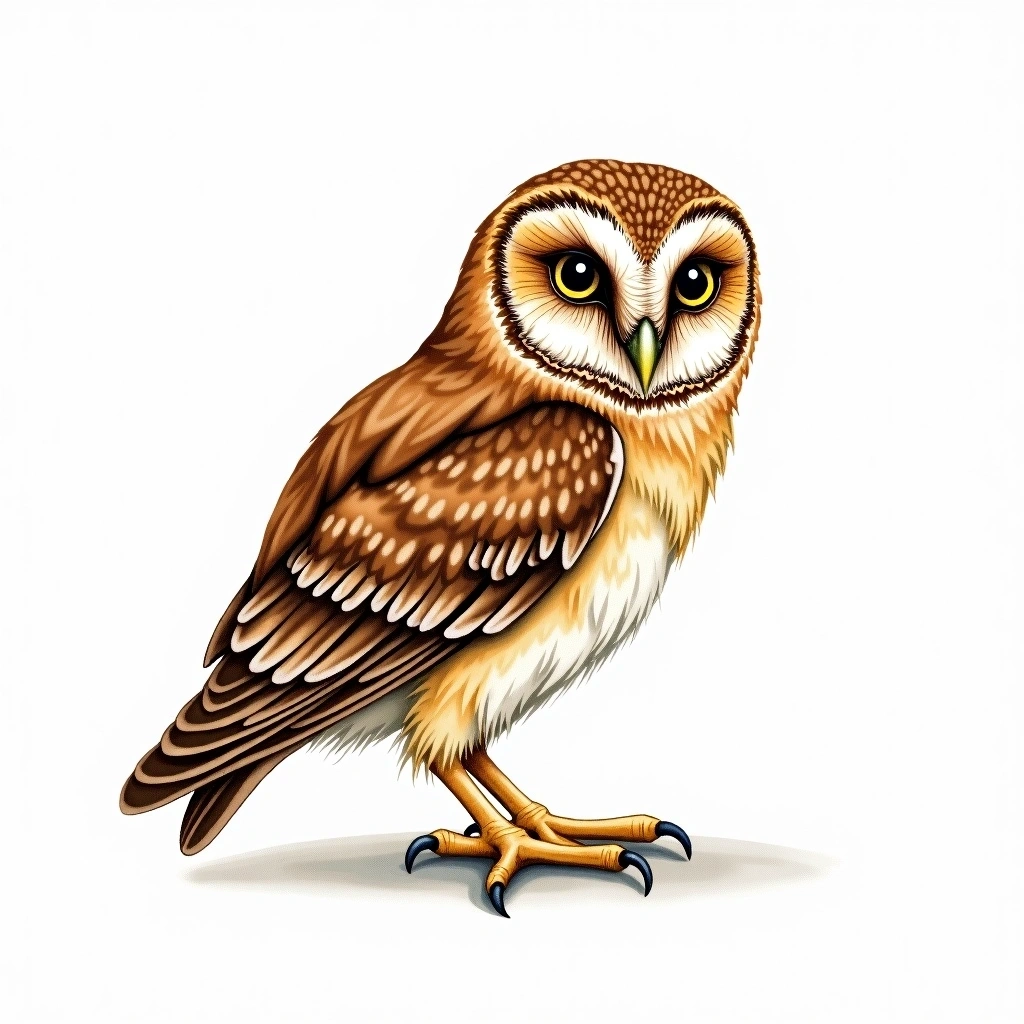
 Annamite Crested Argus
Pheasants & Partridges · Critically Endangered
One of the most spectacular Phasianidae birds (~1.5 kg), endemic to evergreen forests of Vietnam and Laos. Males possess extraordinary elongated brown-spotted tail feathers. Performs a solitary lekkin
67 cm 1.5 kg Critically EndangeredSee details → -
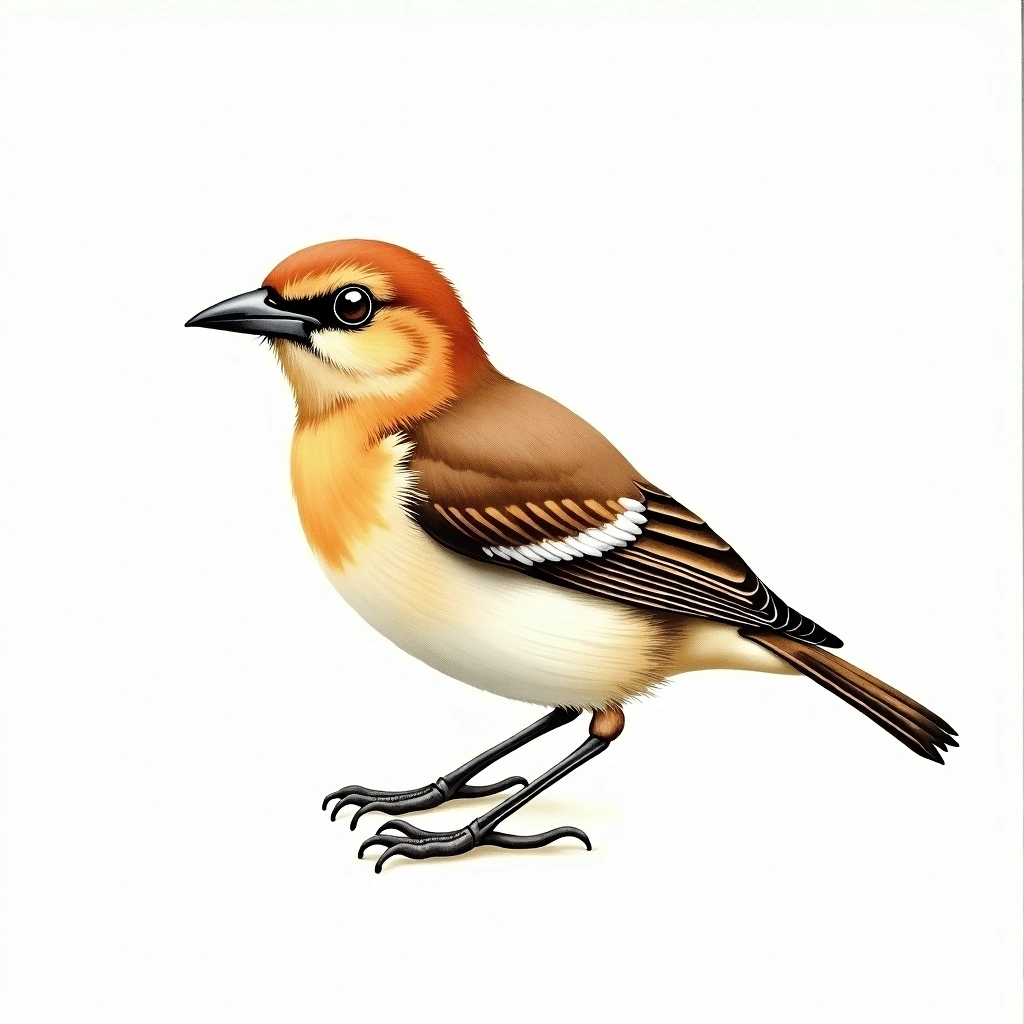
 Annobon Scops-owl
True Owls · Critically Endangered
The Annobon Scops-owl is a critically endangered small owl endemic to Annobón Island, with a wingspan of about 26 cm and weighing around 67 grams. As one of the rarest owls in Africa, it faces severe
26 cm 67 g Critically EndangeredSee details → -
 Antioquia Brushfinch
Passerellidae · Critically Endangered
The Antioquia Brushfinch is a critically endangered sparrow-like bird from Colombia, weighing around 28 grams with a wingspan near 14 cm. Known from only a single location in Antioquia department, it
14 cm 28 g Critically EndangeredSee details → -
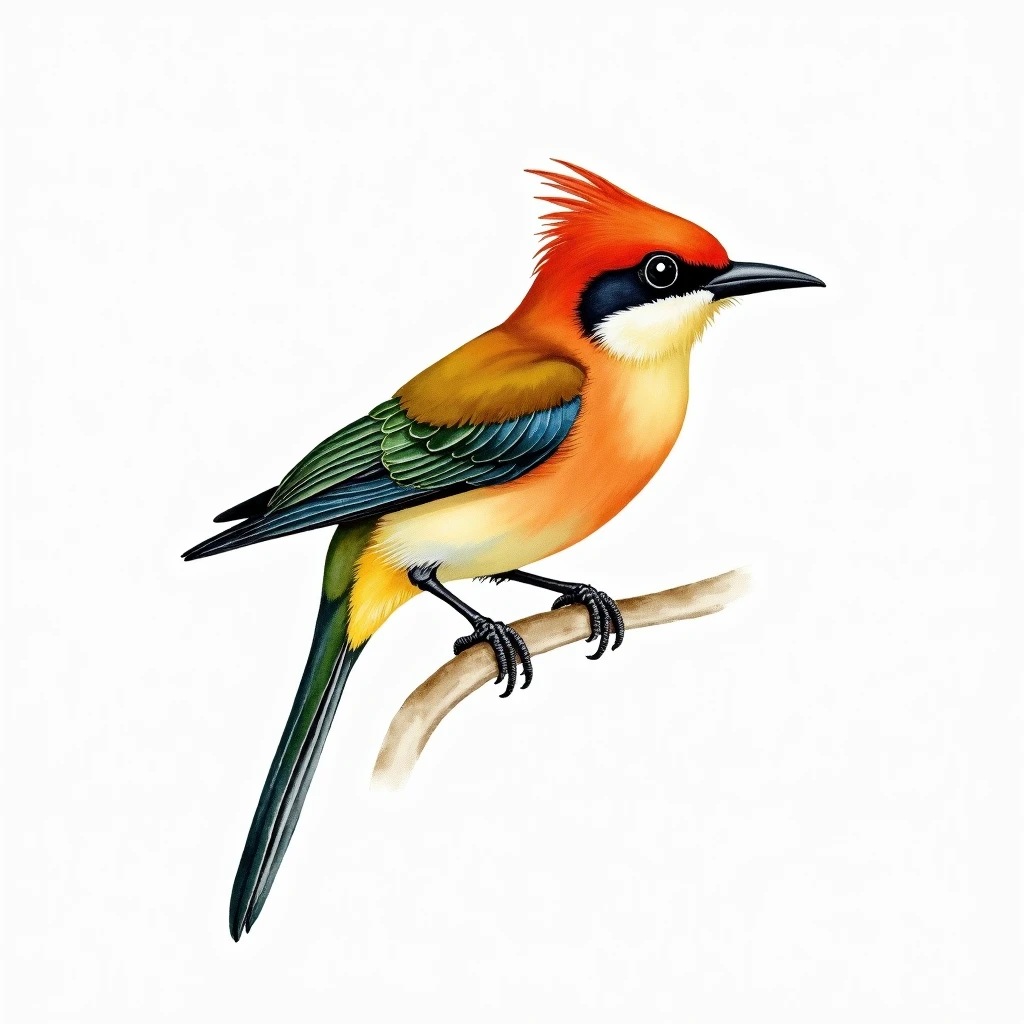 Araripe Manakin
Manakins · Critically Endangered
The Araripe Manakin is a critically endangered manakin endemic to the Chapada do Araripe plateau in northeastern Brazil, weighing about 20 grams with a wingspan near 15 cm. Males are strikingly white
15 cm 20 g Critically EndangeredSee details → -
 Baer's Pochard
Ducks, Geese & Swans · Critically Endangered
A medium-sized diving duck. Males have a glossy green-black head, chestnut breast, and white flanks; females are brown. Critically Endangered; one of the fastest declining ducks in Asia. Breeds in eas
40 cm 707 g Critically EndangeredSee details → -
 Bahama Nuthatch
Nuthatches · Critically Endangered
The Bahama Nuthatch is a Critically Endangered nuthatch endemic to the pine forests of Grand Bahama Island, weighing about 9.95g with a wingspan of 13cm. It forages on tree bark for insects and larvae
13 cm 10 g Critically EndangeredSee details → -
 Balearic Shearwater
Petrels & Shearwaters · Critically Endangered
30–38 cm. Brown above; variably dirty-white to brown below; often shows brown smudging on flanks. Breeds only Balearic Islands, Spain. Critically Endangered with fewer than 3,000 pairs; faces extincti
48 cm 515 g Critically EndangeredSee details → -
 Bali Myna
Starlings & Mynas · Critically Endangered
The Bali Myna is a Critically Endangered starling endemic to the island of Bali, Indonesia, weighing about 92.5g with a wingspan of 26.2cm. It has snow-white plumage with black wingtips and a vivid bl
26 cm 92 g Critically EndangeredSee details → -
 Banded Cotinga
Cotingas · Critically Endangered
The Banded Cotinga is a Critically Endangered bird of the family Cotingidae endemic to the Atlantic Forest of southeastern Brazil. Weighing about 65g with a wingspan of 22.8cm, the male displays brill
23 cm 65 g Critically EndangeredSee details → -
 Banggai Crow
Crows, Jays & Magpies · Critically Endangered
The Banggai Crow is a Critically Endangered corvid of the family Corvidae found only on Peleng Island in Indonesia. Weighing about 175g with a wingspan of 40.2cm, it is a large all-black crow restrict
40 cm 175 g Critically EndangeredSee details → -
 Baudin's Black-cockatoo
Cockatoos · Critically Endangered
Baudin's Black-Cockatoo is a large, critically endangered black cockatoo endemic to the forests of southwestern Australia. It is distinguished by its white cheek patches, white-tipped tail feathers, a
75 cm 554 g Critically EndangeredSee details → -
 Beck's Petrel
Petrels & Shearwaters · Critically Endangered
29 cm. Small; dark brown above and on breast; white belly. Critically Endangered; known from only two specimens collected 1928–1929 in the Solomon Islands and Bismarck Sea. No confirmed breeding site.
48 cm 185 g Critically EndangeredSee details → -
 Bengal Florican
Bustards · Critically Endangered
A medium-sized bustard (55-68 cm) found in tall grasslands of the Indian subcontinent and Southeast Asia. Males have a dramatic black head and white body during breeding. Critically Endangered with fe
69 cm 1.8 kg Critically EndangeredSee details → -
 Black-chinned Monarch
Monarch Flycatchers · Critically Endangered
The Black-chinned Monarch is a Critically Endangered small flycatcher known only from a tiny area on Boano Island in the Maluku province of Indonesia. Its very restricted range—a single small island—a
16 cm 18 g Critically EndangeredSee details → -
 Black-hooded Coucal
Cuckoos · Critically Endangered
Black-hooded Coucal (Centropus steerii) — 40–45 cm. Rufous-chestnut body; entirely black head and upper breast; long tail. Endemic to Mindoro island, Philippines, in lowland forest and scrub. Non-para
32 cm 201 g Critically EndangeredSee details → -
 Black Stilt
Avocets & Stilts · Critically Endangered
Black Stilt (Himantopus novaezelandiae) is a slender 37–40 cm wader endemic to New Zealand's South Island. Entirely jet-black plumage; long pink-red legs; thin bill. Critically Endangered; only ~100–1
48 cm 208 g Critically EndangeredSee details → -
 Blue-billed Curassow
Chachalacas, Guans & Curassows · Critically Endangered
A large cracid (~2.7 kg) of family Cracidae, males black with a prominent blue bill and knob. Endemic to the lowland and foothill forests of northern Colombia. Forages on the forest floor for fruits,
80 cm 2.6 kg Critically EndangeredSee details → -
 Blue-crowned Laughingthrush
Leiothrichidae · Critically Endangered
Critically EndangeredSee details → -
 Blue-eyed Ground Dove
Pigeons & Doves · Critically Endangered
Tiny dove, 14–17 cm, brown with a distinctive pale blue iris. Formerly known from cerrado grasslands of central Brazil (Mato Grosso and Goiás); nearly extinct due to agricultural conversion of cerrado
14 cm 46 g Critically EndangeredSee details → -
 Blue-throated Hillstar
Hummingbirds · Critically Endangered
A recently discovered hummingbird (11 cm) from the southwestern Andes of Ecuador at 3,300-3,900 m. Males have an iridescent blue throat. Described in 2018. Known from a single ridgeline. Critically En
8 g Critically EndangeredSee details →