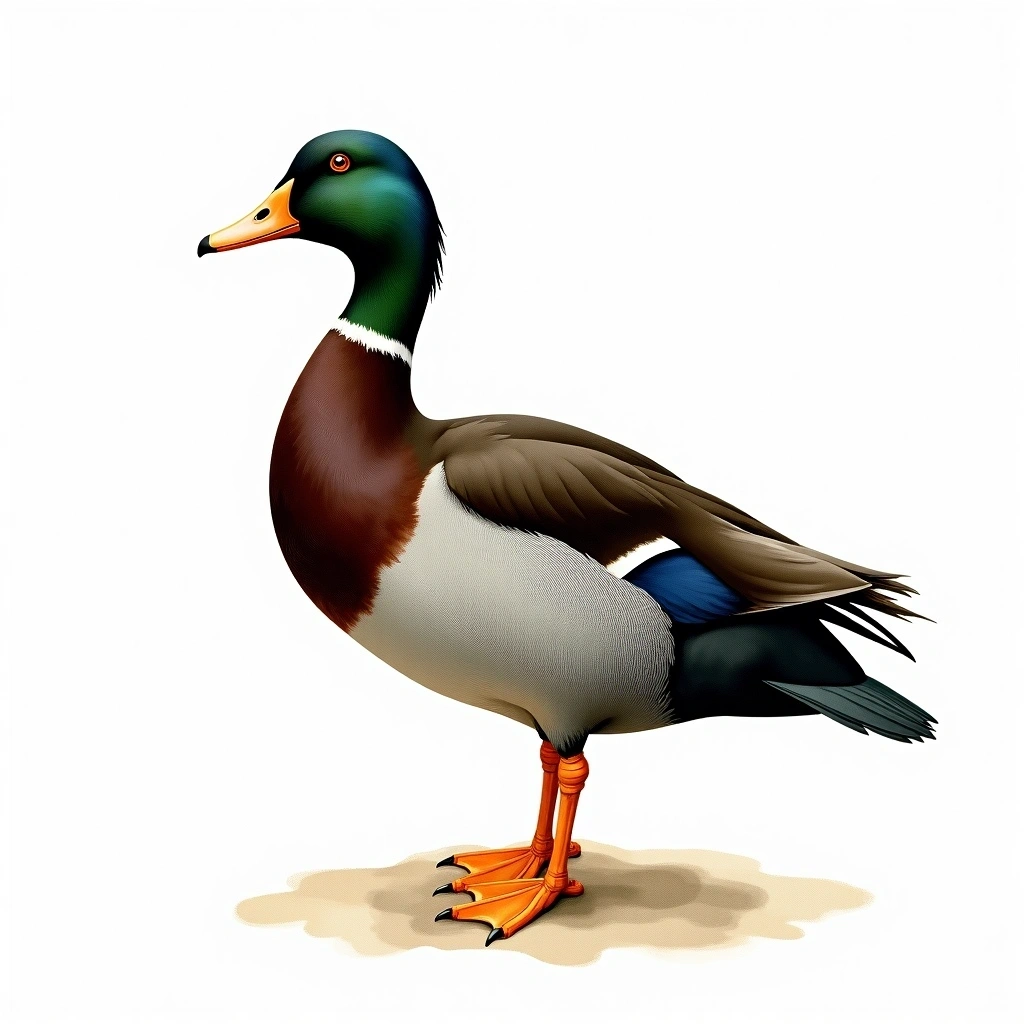
American Black Duck
Anas rubripes
Embed This Widget
Add the script tag and a data attribute to embed this widget.
<script src="https://cdn.jsdelivr.net/npm/birdfyi-embed@1/dist/embed.min.js" defer></script>
<div data-birdfyi="bird" data-slug="anas-rubripes"></div>Embed via iframe for maximum compatibility.
<iframe src="https://birdfyi.com/iframe/bird/anas-rubripes/" width="420" height="400" frameborder="0" style="border:0;border-radius:10px;max-width:100%" loading="lazy"></iframe>Paste this URL in WordPress, Medium, or any oEmbed-compatible platform.
https://birdfyi.com/bird/anas-rubripes/Add a dynamic SVG badge to your README or docs.
[](https://birdfyi.com/bird/anas-rubripes/)Use the native HTML custom element.
<script src="https://cdn.jsdelivr.net/npm/birdfyi-embed@1/dist/embed.min.js" defer></script>
<birdfyi-bird slug="anas-rubripes"></birdfyi-bird>The American Black Duck (Anas rubripes) is a bird species in the family Anatidae (ducks, geese & swans), within the order Anseriformes (waterfowl). Recorded measurements include a wingspan of 53.4 cm and a weight of 1.2 kg. The IUCN Red List classifies it as Least Concern.
On this page
Sobre
O pato-negro americano é um pato dabbling robusto encontrado no leste da América do Norte. É estreitamente relacionado com o pato-real e os dois hybridizam extensivamente. Apresenta uma plumagem escura castanho-preta característica com cabeça mais pálida e espelhos violeta nas asas. Habita zonas húmidas costeiras e de interior, florestas e pradarias ao longo das regiões orientais. É uma espécie cinegética importante, mas as suas populações diminuíram devido à hibridização com patos-reais e perda de habitat.
Physical Description
| Measurement | Value | Imperial |
|---|---|---|
| Envergadura | 53,4 cm | 21.0 in |
| Peso | 1211,25 g | 42.73 oz |
Identificação
Plumagem
Sooty dark brown body; head and neck paler buff with dark streaking. Iridescent purple speculum without white border. Males have yellow-green bill; females olive with orange blotches. Silvery underwings in flight.
Habitat & Range
Freshwater and brackish wetlands in eastern North America from Atlantic Canada south along the coast to Georgia. Breeds in northern bogs and wetlands. Winters on coastal marshes, estuaries, and freshwater lakes.
Estado de conservação
Comportamento e reprodução
Nidificação
Nest type: SC. Incubation: 23-33 days. Fledging: 58-63 days.
Tamanho da postura
1-17
Som
Canto
Female produces a loud, deep quacking series; male gives a low, raspy grunt. Voice is deeper and huskier than a Mallard; pairs call powerfully across northeastern North American wetlands.
Taxonomia
| Kingdom | Animalia |
| Phylum | Chordata |
| Class | Aves |
| Ordem | Anseriformes (Waterfowl) |
| Família | Anatidae (Ducks, Geese & Swans) |
| Genus | Anas |
| Espécies | Anas rubripes |
Distribution
American Black Duck has been recorded in 4 countries.
countries highlighted
External Databases
Perguntas frequentes
Where does the American Black Duck live?
Is the American Black Duck endangered?
How does the American Black Duck nest?
What does the American Black Duck sound like?
How big is the American Black Duck?
What order and family does the American Black Duck belong to?
Similar Birds
Other species in the Anatidae family