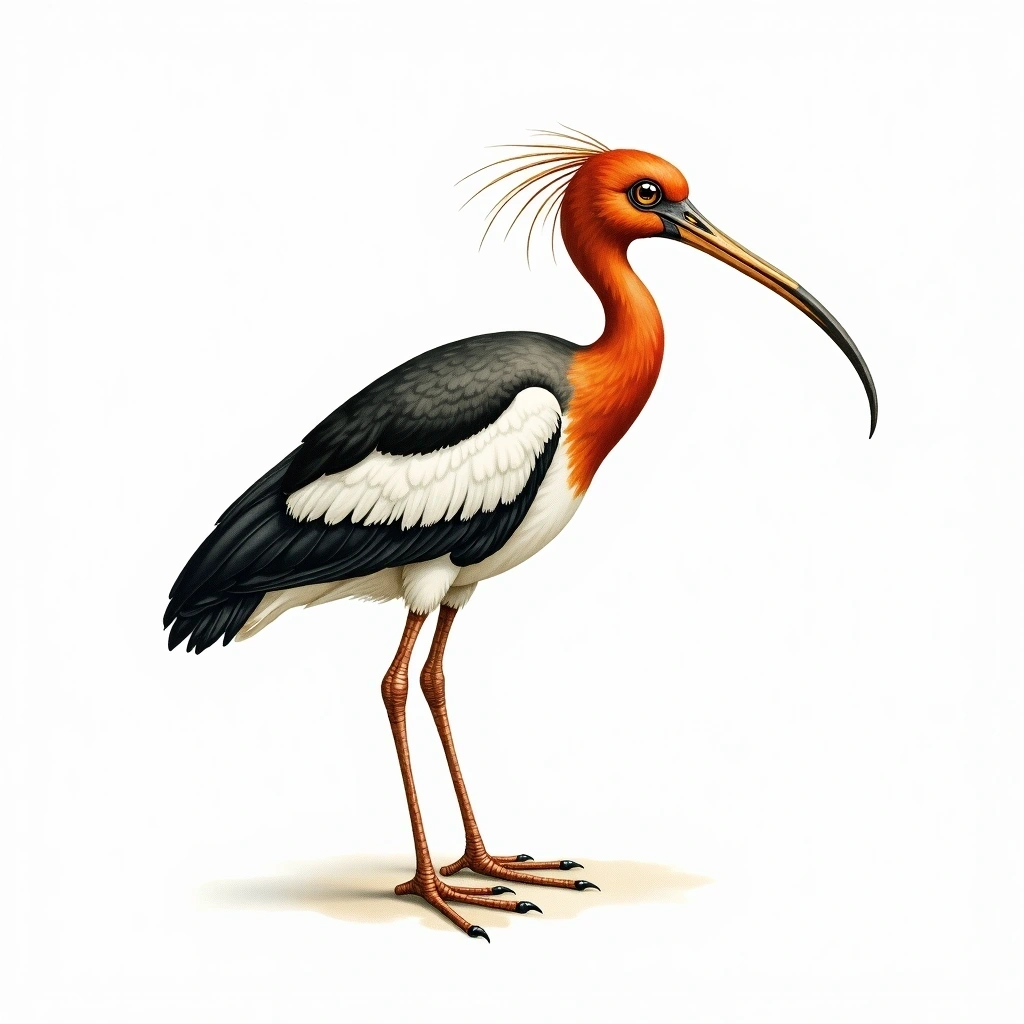
Andean Ibis
Theristicus branickii
Embed This Widget
Add the script tag and a data attribute to embed this widget.
<script src="https://cdn.jsdelivr.net/npm/birdfyi-embed@1/dist/embed.min.js" defer></script>
<div data-birdfyi="bird" data-slug="theristicus-branickii"></div>Embed via iframe for maximum compatibility.
<iframe src="https://birdfyi.com/iframe/bird/theristicus-branickii/" width="420" height="400" frameborder="0" style="border:0;border-radius:10px;max-width:100%" loading="lazy"></iframe>Paste this URL in WordPress, Medium, or any oEmbed-compatible platform.
https://birdfyi.com/bird/theristicus-branickii/Add a dynamic SVG badge to your README or docs.
[](https://birdfyi.com/bird/theristicus-branickii/)Use the native HTML custom element.
<script src="https://cdn.jsdelivr.net/npm/birdfyi-embed@1/dist/embed.min.js" defer></script>
<birdfyi-bird slug="theristicus-branickii"></birdfyi-bird>The Andean Ibis (Theristicus branickii) is a bird species in the family Threskiornithidae (ibis y espátulas), within the order Pelecaniformes (pelícanos y garzas). Recorded measurements include a wingspan of 79.1 cm and a weight of 1.5 kg. The IUCN Red List classifies it as Near Threatened.
On this page
Acerca de
75 cm. White head and neck with chestnut tones; black upperparts; bare reddish facial skin. Restricted to Andean grasslands (puna) of Peru, Bolivia, and northwestern Argentina at 3,000–5,000 m elevation. Vulnerable; feeds on invertebrates and small vertebrates in high-altitude bogs and grasslands.
Physical Description
| Measurement | Value | Imperial |
|---|---|---|
| Envergadura | 79,1 cm | 31.1 in |
| Peso | 1492,0 g | 52.63 oz |
Habitat & Range
Estado de conservación
Comportamiento y reproducción
Nidificación
Incubation: 27 days. Fledging: 49 days.
Tamaño de la puesta
2
Taxonomía
| Kingdom | Animalia |
| Phylum | Chordata |
| Class | Aves |
| Orden | Pelecaniformes (Pelícanos y Garzas) |
| Familia | Threskiornithidae (Ibis y Espátulas) |
| Genus | Theristicus |
| Especies | Theristicus branickii |
External Databases
Preguntas frecuentes
Is the Andean Ibis endangered?
How does the Andean Ibis nest?
How big is the Andean Ibis?
What order and family does the Andean Ibis belong to?
Similar Birds
Other species in the Threskiornithidae family