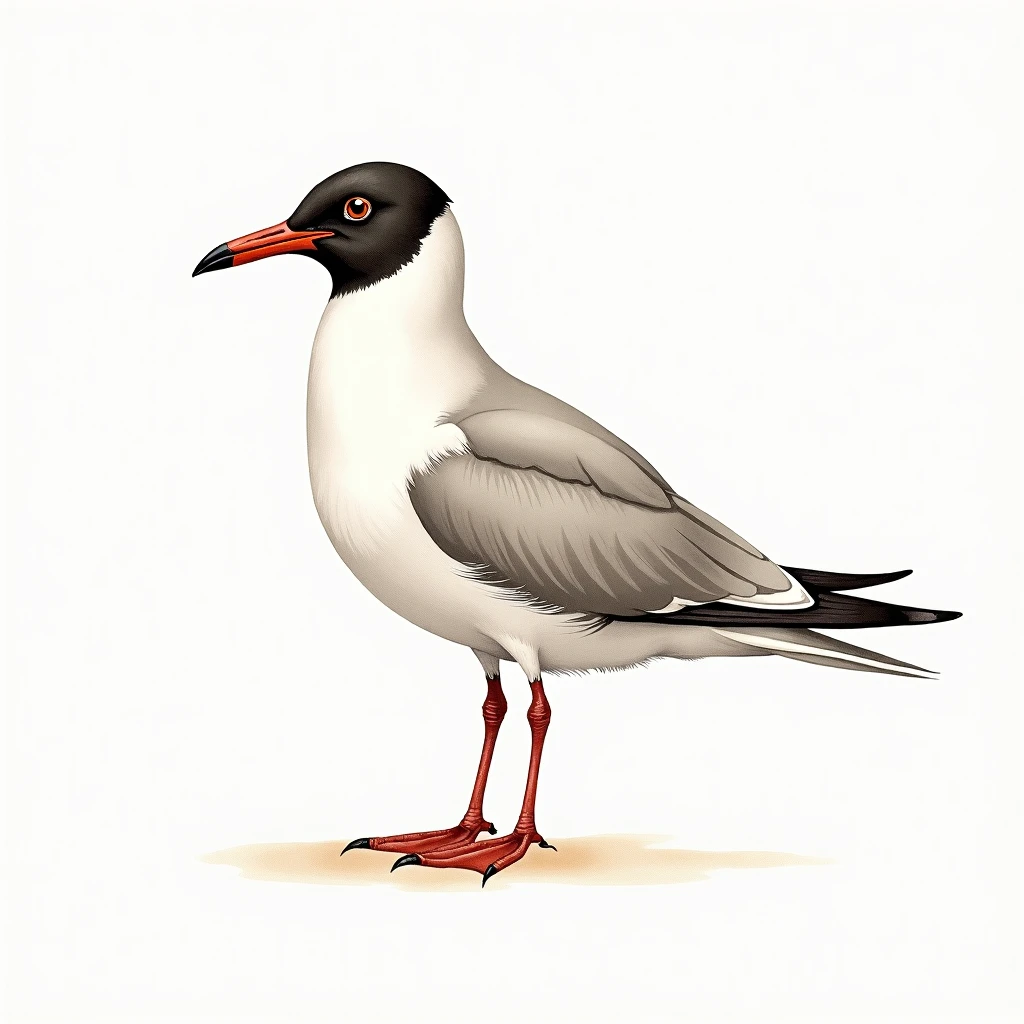
Arctic Tern
Sterna paradisaea
Embed This Widget
Add the script tag and a data attribute to embed this widget.
<script src="https://cdn.jsdelivr.net/npm/birdfyi-embed@1/dist/embed.min.js" defer></script>
<div data-birdfyi="bird" data-slug="arctic-tern"></div>Embed via iframe for maximum compatibility.
<iframe src="https://birdfyi.com/iframe/bird/arctic-tern/" width="420" height="400" frameborder="0" style="border:0;border-radius:10px;max-width:100%" loading="lazy"></iframe>Paste this URL in WordPress, Medium, or any oEmbed-compatible platform.
https://birdfyi.com/bird/arctic-tern/Add a dynamic SVG badge to your README or docs.
[](https://birdfyi.com/bird/arctic-tern/)Use the native HTML custom element.
<script src="https://cdn.jsdelivr.net/npm/birdfyi-embed@1/dist/embed.min.js" defer></script>
<birdfyi-bird slug="arctic-tern"></birdfyi-bird>Migrating from Arctic breeding grounds to the Antarctic and back, the Arctic Tern experiences two summers each year and ranges across every ocean. Pale grey above and white below with a black cap, blood-red bill, and short red legs, it has deeply forked tail streamers that trail in flight. It catches small fish and crustaceans by plunge-diving, hovering briefly before dropping. Breeding in colonies on coastal and tundra ground, it lays two to three eggs in a simple scrape, incubated for 22 to 27 days, with young fledging at 21 to 24 days. Fiercely defensive at the nest, it gives sharp, grating alarm calls to drive off intruders. The species is classified as Least Concern.
On this page
Sobre
The Arctic tern holds the record for the longest known migration of any animal, traveling roughly 70,000 km annually from Arctic to Antarctic and back. Over its 30-year lifespan, it may fly the equivalent of three round trips to the Moon. This remarkable bird experiences more daylight than any other creature on Earth.
Physical Description
| Measurement | Value | Imperial |
|---|---|---|
| Body Length | 34,0 cm | 13.4 in |
| Envergadura | 80,0 cm | 31.5 in |
| Peso | 110,0 g | 3.88 oz |
Identificação
Plumagem
Pale grey upperparts, white underparts with a black cap. Blood-red bill and short red legs. Deeply forked tail streamers. Winter adults lose the full black cap.
Bico
Slender, pointed, bright red bill
Habitat & Range
Breeds on coastal and tundra habitats. Spends most of its life at sea over the open ocean. Nests in colonies on beaches and rocky shores.
Distribuição geográfica
Breeds in the Arctic and sub-Arctic. Migrates to the Antarctic, experiencing two summers per year. Found on every ocean.
Diet & Feeding
Small fish and crustaceans caught by plunge-diving from the air. Hovers briefly before diving.
Estado de conservação
Comportamento e reprodução
Nidificação
Nest type: SC. Incubation: 22-27 days. Fledging: 21-24 days.
Tamanho da postura
2-3
Som
Canto
A sharp, grating 'kree-yah' alarm call. Also gives 'kik-kik-kik' near the nest. Highly aggressive vocally during the Arctic breeding season. Calls are harsh and insistent.
Taxonomia
| Kingdom | Animalia |
| Phylum | Chordata |
| Class | Aves |
| Ordem | Charadriiformes (Shorebirds & Gulls) |
| Família | Laridae (Gulls & Terns) |
| Genus | Sterna |
| Espécies | Sterna paradisaea |
Names in Other Languages
| Language | Name |
|---|---|
| German | Küstenseeschwalbe |
| Spanish | Charrán Ártico |
Distribution
Arctic Tern has been recorded in 7 countries.
countries highlighted
External Databases
Perguntas frequentes
What does the Arctic Tern eat?
Where does the Arctic Tern live?
Is the Arctic Tern endangered?
How does the Arctic Tern nest?
What does the Arctic Tern sound like?
How big is the Arctic Tern?
What order and family does the Arctic Tern belong to?
Similar Birds
Other species in the Laridae family