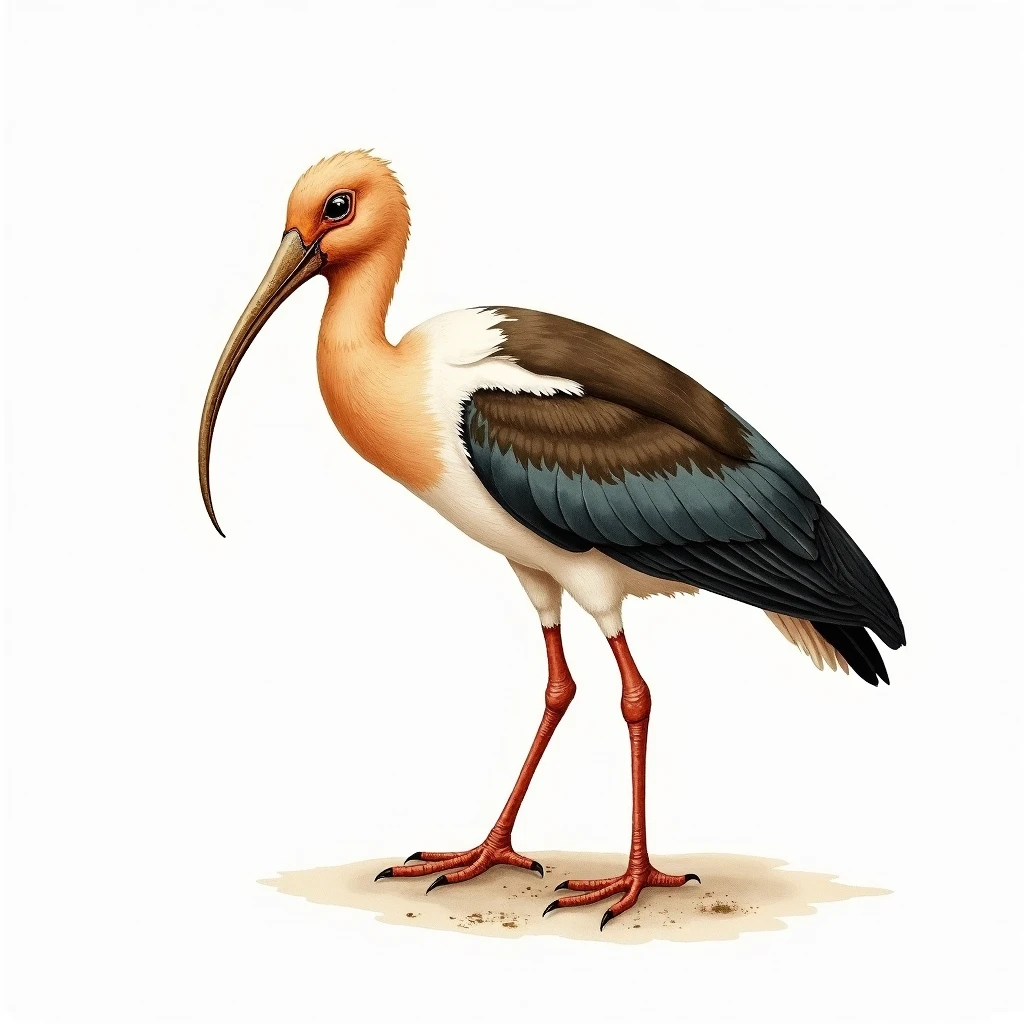
Australian Ibis
Threskiornis moluccus
Embed This Widget
Add the script tag and a data attribute to embed this widget.
<script src="https://cdn.jsdelivr.net/npm/birdfyi-embed@1/dist/embed.min.js" defer></script>
<div data-birdfyi="bird" data-slug="threskiornis-moluccus"></div>Embed via iframe for maximum compatibility.
<iframe src="https://birdfyi.com/iframe/bird/threskiornis-moluccus/" width="420" height="400" frameborder="0" style="border:0;border-radius:10px;max-width:100%" loading="lazy"></iframe>Paste this URL in WordPress, Medium, or any oEmbed-compatible platform.
https://birdfyi.com/bird/threskiornis-moluccus/Add a dynamic SVG badge to your README or docs.
[](https://birdfyi.com/bird/threskiornis-moluccus/)Use the native HTML custom element.
<script src="https://cdn.jsdelivr.net/npm/birdfyi-embed@1/dist/embed.min.js" defer></script>
<birdfyi-bird slug="threskiornis-moluccus"></birdfyi-bird>The Australian Ibis (Threskiornis moluccus) is a bird species in the family Threskiornithidae (ibises & spoonbills), within the order Pelecaniformes (pelicans & herons). Recorded measurements include a wingspan of 70.4 cm and a weight of 1.9 kg. The IUCN Red List classifies it as Least Concern.
On this page
À propos
65–76 cm. White with bare black head; black wingtips; glossy blue-black ornamental plumes in breeding. Resident across Australia and New Guinea in wetlands, grasslands, and urban areas. Common and adaptable; increasingly abundant in cities. Feeds by probing for invertebrates and foraging in rubbish.
Physical Description
| Measurement | Value | Imperial |
|---|---|---|
| Envergure | 70,4 cm | 27.7 in |
| Poids | 1895,0 g | 66.84 oz |
Habitat & Range
Statut de conservation
Comportement et reproduction
Nidification
Nest type: CP. Incubation: 20-23 days. Fledging: 30-48 days.
Taille de la couvée
1-4
Taxonomie
| Kingdom | Animalia |
| Phylum | Chordata |
| Class | Aves |
| Ordre | Pelecaniformes (Pelicans & Herons) |
| Famille | Threskiornithidae (Ibises & Spoonbills) |
| Genus | Threskiornis |
| Espèces | Threskiornis moluccus |
External Databases
Foire aux questions
Is the Australian Ibis endangered?
How does the Australian Ibis nest?
How big is the Australian Ibis?
What order and family does the Australian Ibis belong to?
Similar Birds
Other species in the Threskiornithidae family