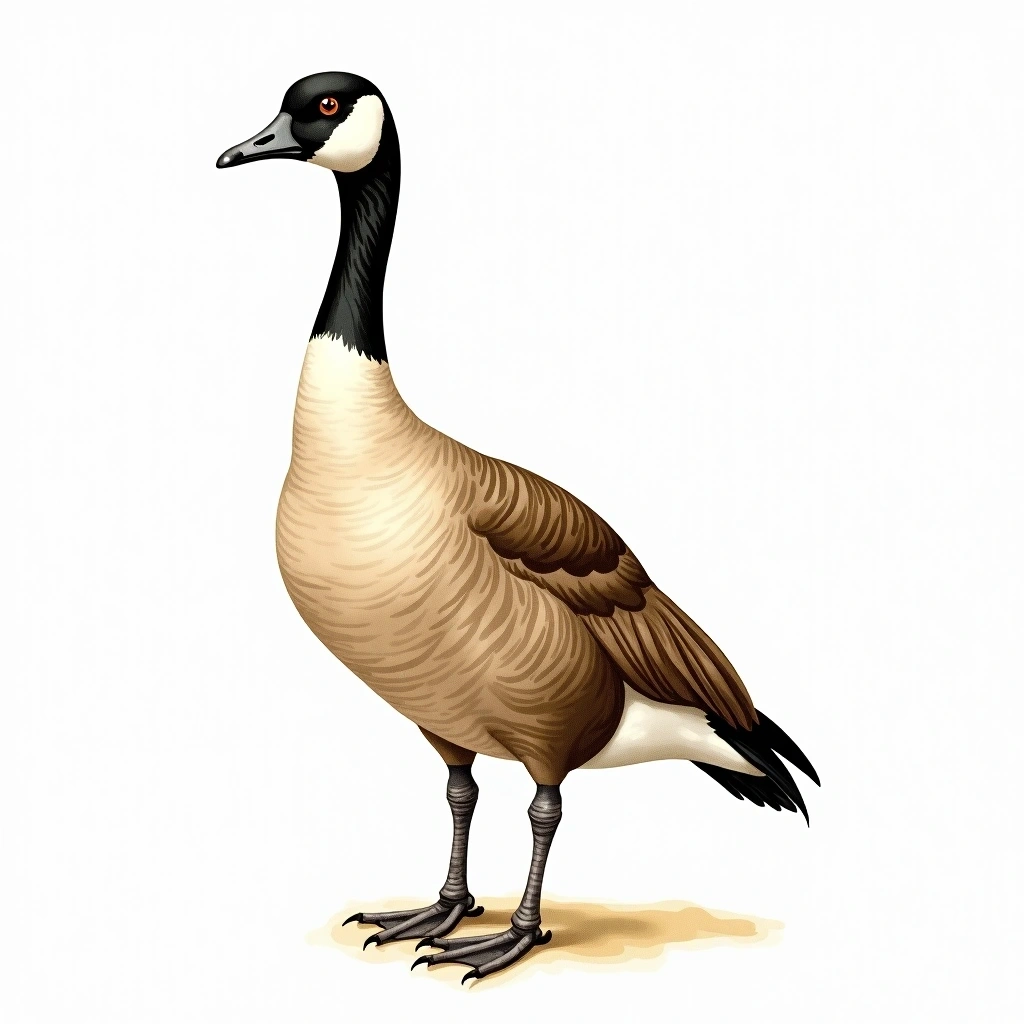
Andean Goose
Chloephaga melanoptera
Embed This Widget
Add the script tag and a data attribute to embed this widget.
<script src="https://cdn.jsdelivr.net/npm/birdfyi-embed@1/dist/embed.min.js" defer></script>
<div data-birdfyi="bird" data-slug="chloephaga-melanoptera"></div>Embed via iframe for maximum compatibility.
<iframe src="https://birdfyi.com/iframe/bird/chloephaga-melanoptera/" width="420" height="400" frameborder="0" style="border:0;border-radius:10px;max-width:100%" loading="lazy"></iframe>Paste this URL in WordPress, Medium, or any oEmbed-compatible platform.
https://birdfyi.com/bird/chloephaga-melanoptera/Add a dynamic SVG badge to your README or docs.
[](https://birdfyi.com/bird/chloephaga-melanoptera/)Use the native HTML custom element.
<script src="https://cdn.jsdelivr.net/npm/birdfyi-embed@1/dist/embed.min.js" defer></script>
<birdfyi-bird slug="chloephaga-melanoptera"></birdfyi-bird>The Andean Goose (Chloephaga melanoptera) is a bird species in the family Anatidae (ducks, geese & swans), within the order Anseriformes (waterfowl). Recorded measurements include a wingspan of 86.3 cm and a weight of 2.6 kg. The IUCN Red List classifies it as Least Concern.
On this page
À propos
A large white-and-black sheldgoose with a distinctive black-tipped pink-and-black bill, bright pink legs, and black wings. Endemic to high Andean puna. One of the highest-living birds in the Americas; found beside glacial lakes and streams. Monogamous; highly territorial during breeding.
Physical Description
| Measurement | Value | Imperial |
|---|---|---|
| Envergure | 86,3 cm | 34.0 in |
| Poids | 2617,5 g | 92.33 oz |
Identification
Plumage
Entirely white plumage except black-tipped primaries and black tail. Bill and legs coral-pink. Larger than most Chloephaga. Sexes similar. Inhabits high Andean lakes and grasslands above 3,000 m.
Habitat & Range
High-altitude puna grassland, bofedales (cushion bogs), and lakeshores at 3,500–5,500 m in the Andes from Peru through Bolivia and Chile to northwestern Argentina. Grazes beside glacial and alpine lakes.
Répartition géographique
Formerly widespread on the Mascarene Island of Réunion. Extinct in the 17th century; extirpated by hunting and introduced predators.
Diet & Feeding
Eats grasses, seeds, molluscs, and aquatic invertebrates; wades in shallow water; diet includes invertebrates year-round.
Statut de conservation
Comportement et reproduction
Nidification
Incubation: 30 days. Fledging: 84 days.
Taille de la couvée
5-10
Son
Chant
A loud, cackling 'kek-kek-kek' from high-altitude Andean puna. Pairs are territorial and vocal. Calls carry well across open altiplano above 4,000 m elevation.
Taxonomie
| Kingdom | Animalia |
| Phylum | Chordata |
| Class | Aves |
| Ordre | Anseriformes (Waterfowl) |
| Famille | Anatidae (Ducks, Geese & Swans) |
| Genus | Chloephaga |
| Espèces | Chloephaga melanoptera |
External Databases
Foire aux questions
What does the Andean Goose eat?
Where does the Andean Goose live?
Is the Andean Goose endangered?
How does the Andean Goose nest?
What does the Andean Goose sound like?
How big is the Andean Goose?
What order and family does the Andean Goose belong to?
Similar Birds
Other species in the Anatidae family